✦ A 24-Book Science Adventure · Ages 5–8
Raise a child who asks “why” — and knows how to find out.
A complete three-year journey that teaches real science through stories children beg to re-read.
✦ A 24-Book Science Adventure · Ages 5–8
Raise a child who asks “why” — and knows how to find out.
A complete three-year journey that teaches real science through stories children beg to re-read.
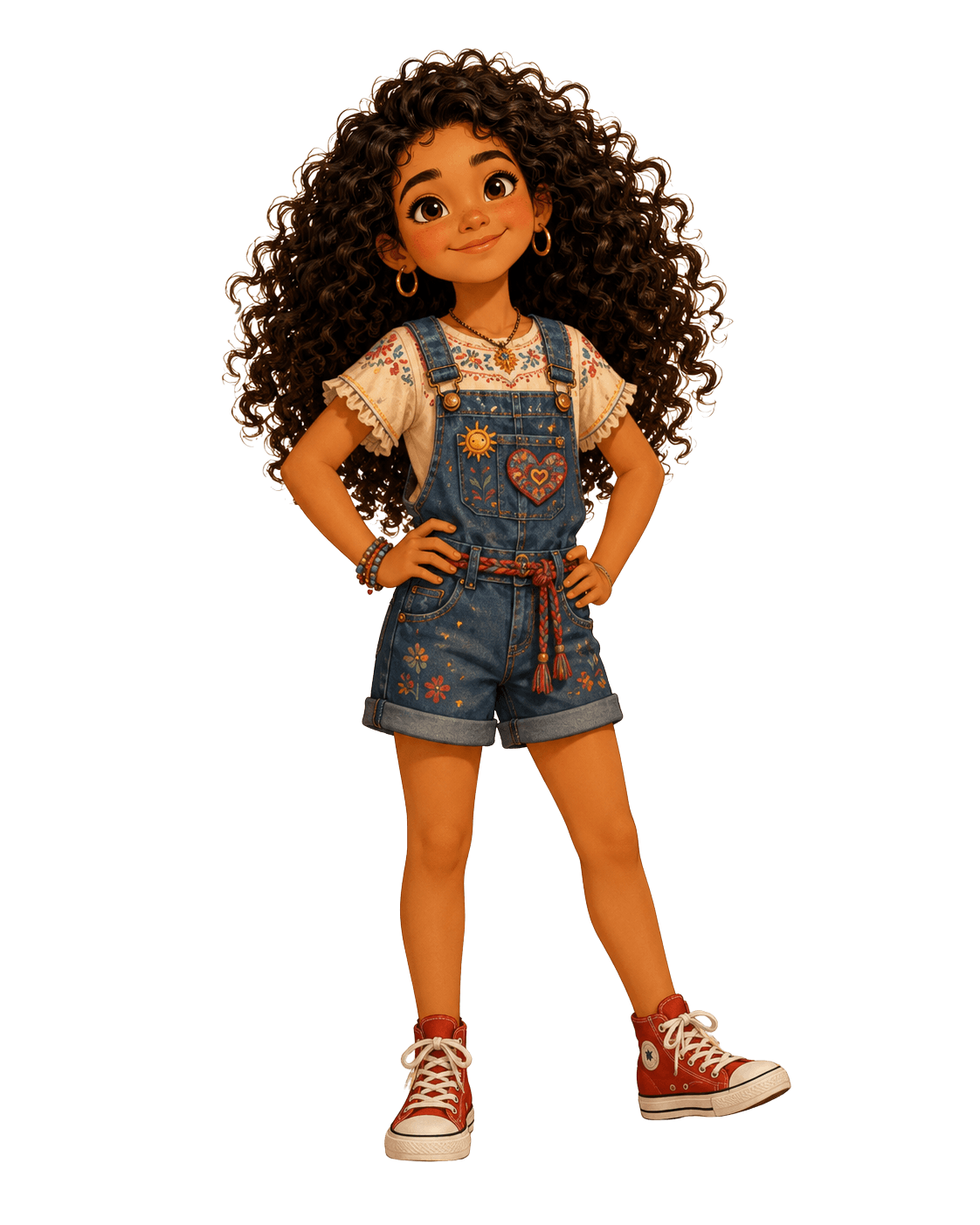
Mira
Mira has stood perfectly still next to a melting ice sculpture for twenty minutes. She refuses to leave until she understands why. Book 1 begins here.
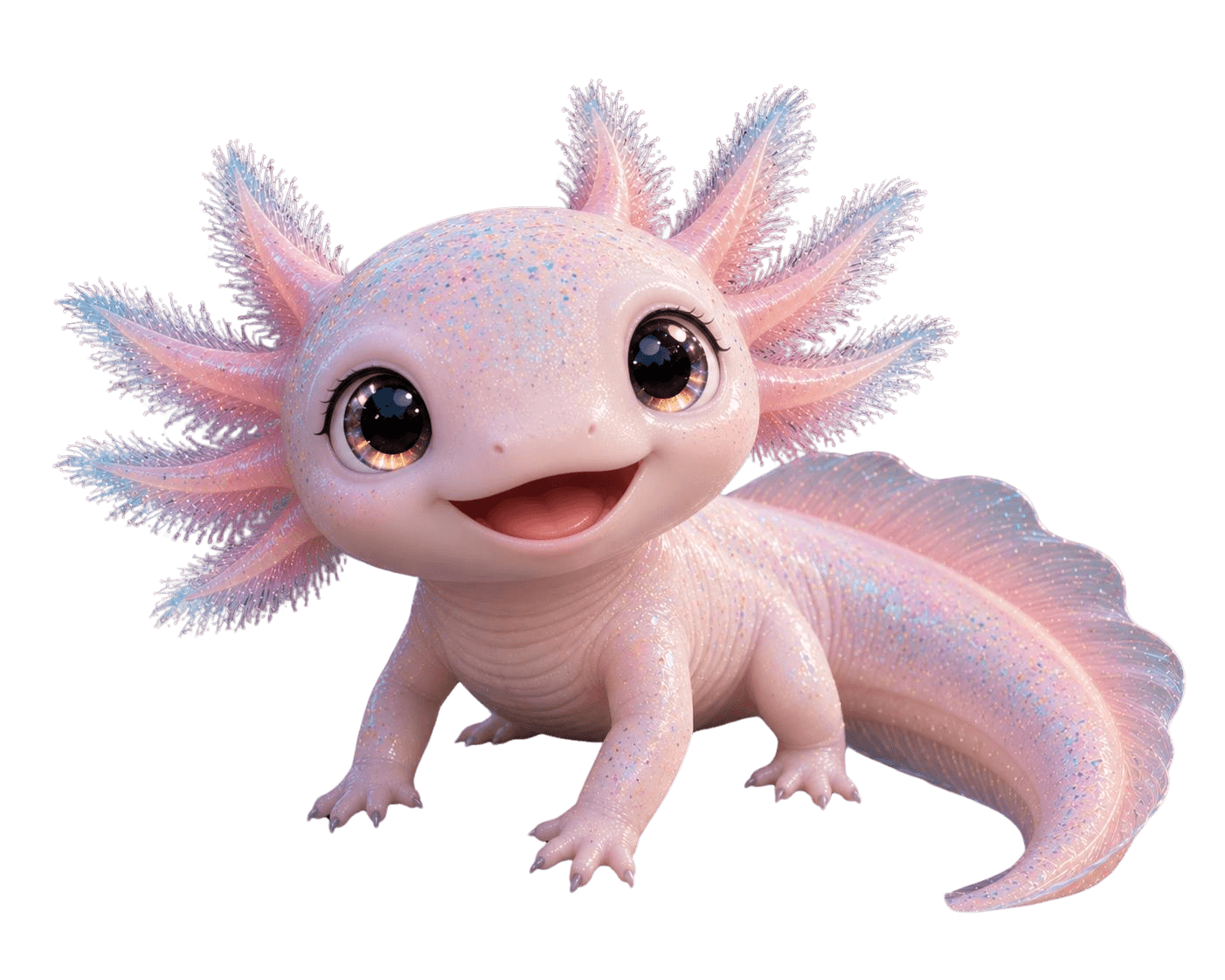
Lumi
Lumi's gills glow gold when a great question is being asked. They have been glowing since Tuesday. She lives in Crystal Springs.
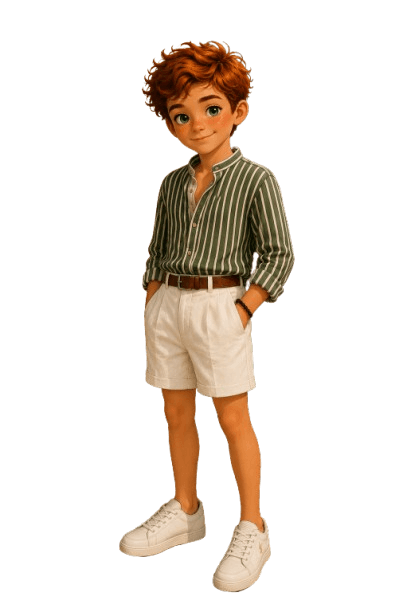
Milo
Milo has dropped 47 different objects from his rooftop. They all land at the same time. This is clearly impossible. He is preparing object 48.
✦ The Honest Difference
Most STEM books teach facts.
Children remember stories.
A child reads a fact and forgets it by morning. A child lives through a story and carries it for years. We don't add story to science. We let science emerge from the story — exactly the way it emerges in real life.
“Emotion precedes retention. A child who gasps ‘wait, WHAT?’ will remember what caused the gasp — and follow it somewhere.”
The Science of Learning
Children don't remember facts.
They remember feelings.
Neuroscience is clear: emotional arousal during learning increases memory encoding by up to 40%. We don't lecture first. We create a moment of genuine wonder — then let the science explain the magic your child just felt. (Tyng et al., Frontiers in Psychology, 2017)
“A child who gasps ‘wait, WHAT?’ will remember what caused the gasp. Emotional arousal during learning dramatically increases hippocampal encoding.”
"Why is it still there?"
The ice sculpture melted yesterday.
Mira hasn't stopped thinking about it.
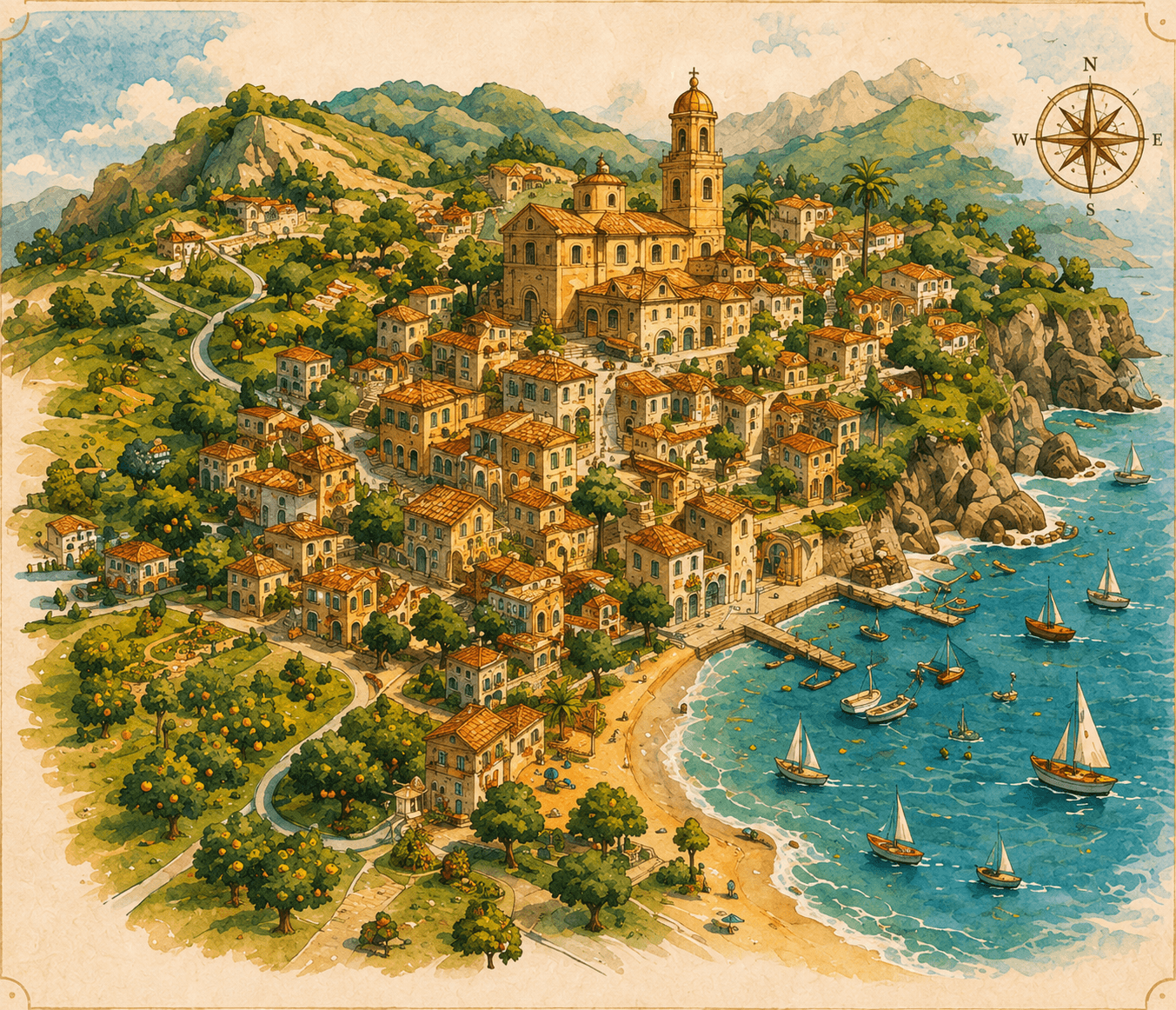
✦ The World of the Chronicles
Three friends. One question. Everything changes.
The ice sculpture should have melted hours ago.
Mira is still watching.
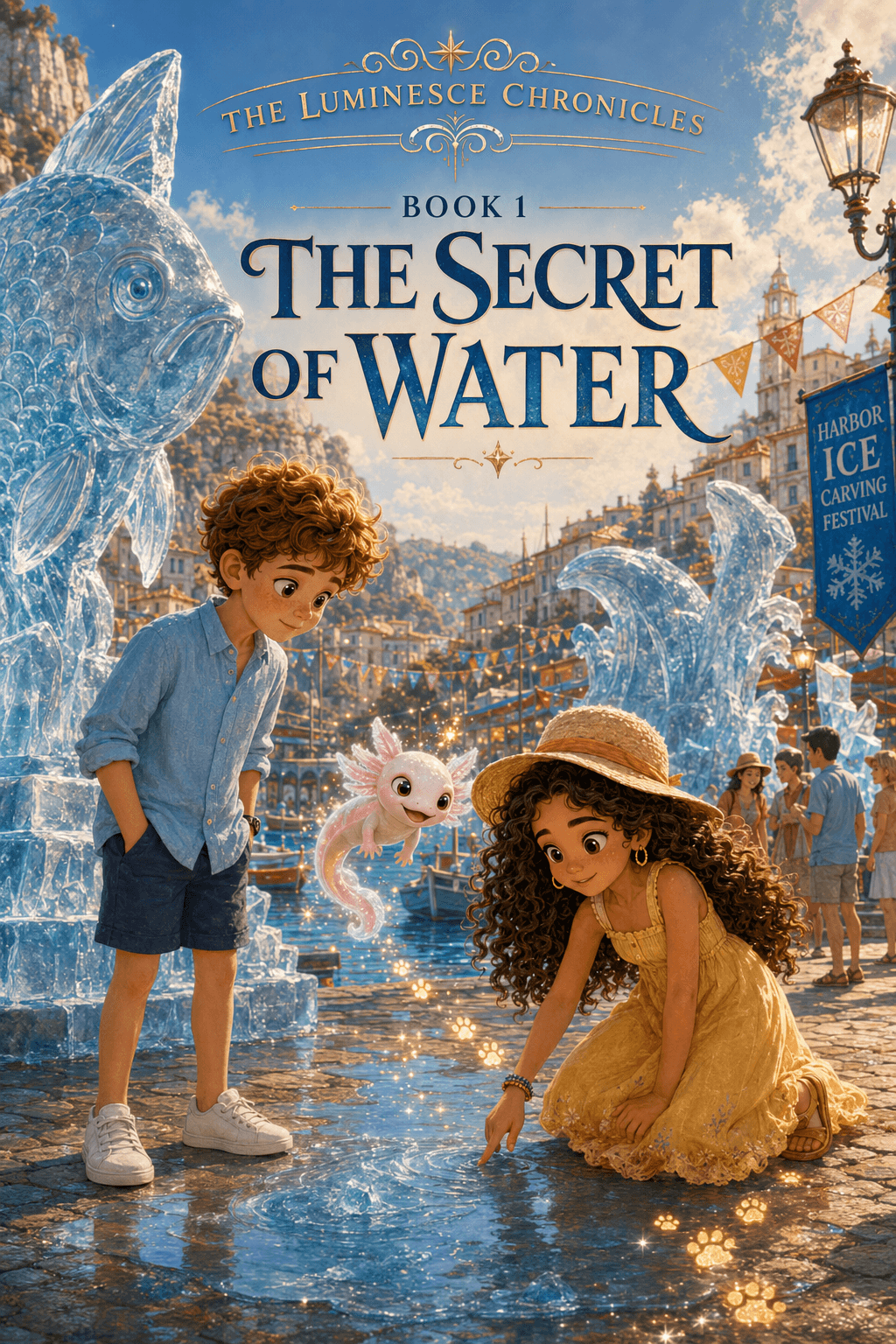
✦ Book 1 of 24 · Chemistry · Ages 5–6
Why Does Ice Melt?
Mira finds a perfect ice sculpture in the town square. By noon, it's a puddle. She refuses to accept 'it got warm.' That refusal is where everything begins.
- What your child discoversStates of matter, molecular movement, energy transfer — through story and analogy, not lecture.
- Every spread includesA conversation prompt so the story doesn't end when the book closes
- This concept returnsIn Books 3, 7, and 12 — each time deeper, each time more connected
✦ The last thing Lumi says — end of Book 1
“Now you know why ice melts. But why does ice float on top of water instead of sinking? Almost nothing works that way. We'll find out next time.”
Every book in the series ends this way. The story never quite finishes.
“Why does ice float instead of sink?”
Mira asked.
Nobody expected it to change everything.
Almost nothing floats on its own solid form. Water is the rare exception. Mira needs to know why.
Archive Entry 88
This question has been in the archive for 4,000 years.
The person asking it now is the first person
to ask it this way.
Filed by: Veritus
Keeper of Answers · Library Beyond Time
✦ Seven Things Every Curious Child Already Knows
How children actually learn — and why this series is built around it.
Emotion Precedes Retention
A child who gasps 'wait, WHAT?' will remember what caused the gasp. Every concept begins with wonder — not explanation.
Spaced Repetition
Concepts from Book 1 return in Books 3, 7, and 12 — each time with greater depth. Not revision. Growth.
Analogy Is the Bridge
Atoms aren't particles. They're the smallest LEGO pieces everything is built from — and they never stop moving, even in a rock.
Scaffolded Depth
Never more than one new concept per page spread. Each idea is a load-bearing stone in an architecture that grows for years.
Parent Is the Second Teacher
Every book includes parent-facing conversation prompts. Read-aloud is a design feature of this series, not an accident.
Curiosity Must Stay Open
Every book ends with one unanswered question that propels the child forward. They don't reach the end — they reach the next beginning.
Play Is Mandatory
Every book contains humor, silliness, and warmth without educational justification. Play earns the right to teach.
This law has no educational justification. That is the entire point.
The Library of Curiosity™
A collection worth owning,
built book by book.
Hover a book — it glows, and whispers the question it answers. You are here → Book 1.
Every child is born asking questions.
Most stop somewhere around age nine.
Nobody ever tells them to.
✦ The Problem Worth Solving
Every child is born with infinite curiosity.
Most lose it by age 10.
Not because they stopped caring. Because they learned — without anyone telling them directly — that not knowing the answer is the problem. That "I don't know" is something to hide, not something to follow into an adventure.
The Luminesce Chronicles exists for one reason: to make sure your child never stops treating a question as the best thing that can happen to them.
- 68%
of children report declining curiosity between ages 5 and 10
Not one of them planned to stop asking why.
Source: Engel, Harvard Educational Review (2011)
- 5 years
the window before most children learn to hide 'I don't know'
It starts the day they start school.
Source: Shah et al., Pediatric Research (2018)
- Age 5
is when curiosity is still almost universal
This is the moment worth protecting.
Source: Kashdan & Silvia, Oxford Handbook of Positive Psychology (2009)
Questions Parents Ask
We've thought about this too.
The series is built for children ages 5–8, organized into three bands: Band 1 (ages 5–6), Band 2 (ages 6–7), and Band 3 (ages 7–8). Each band introduces concepts appropriate to that developmental stage while building on what came before. The books also work beautifully as read-alouds with 4-year-olds who have a curious older sibling nearby.
No. Each book tells a complete story with a beginning, middle, and end. You can start anywhere. But the magic of the series — the spiral curriculum, where concepts deepen across books — is only fully experienced when read in sequence. Think of it like a great TV series: each episode stands alone, but watching from the start is the full experience.
Magic School Bus is beloved and built for breadth — one concept per book, never revisited with greater depth. National Geographic Kids is an encyclopedia formatted for children: beautiful, informative, and nearly impossible to remember because there is no emotional thread. The Luminesce Chronicles returns to the same concepts across 24 books with increasing depth, and always enters a concept through story and emotion — never through explanation.
The series aligns with foundational NGSS (Next Generation Science Standards) and early STEM learning frameworks. More importantly, it is built around the developmental reality of children ages 5–8: they learn through analogy, emotion, pattern recognition, and repetition — not abstract instruction. The curriculum framework was developed with educators and reviewed by child development specialists.
✦ Limited Access
Become a Founding Family
Join the Founding Families and get the free Activity Pack instantly. Plus early access, price locked forever, and first look at every new book.
Some families arrive before the first book is printed. They become part of the story before anyone else knows it exists.
- The Why Does Ice Melt? Activity Pack — 10 curiosity experiments, sent the moment you join.
- Early access to every book before it reaches the world.
- A price locked forever — whatever we launch at, you pay less.
- Behind-the-scenes letters as the series comes to life.
- First-edition announcements before anyone else.
✦ Founding Families Program · Be among the first